Best Wearable Devices for Sleep Monitoring in 2025
Discover the best wearable devices for sleep monitoring in 2025—track sleep cycles, improve health, and wake up refreshed daily.
In a world where hustle culture dominates, the best wearable devices for sleep monitoring have become more than just gadgets—they’re essential health companions. Whether you’re a sleep-deprived student, a data-driven athlete, or simply trying to optimize your lifestyle, these advanced trackers can help you reclaim your nights and improve your days.
Let’s explore what makes them tick, which ones stand out in 2025, and how you can choose the perfect wearable to monitor and enhance your sleep.
Why Sleep Monitoring Matters for Your Health
Sleep Disorders Are on the Rise
Insomnia, sleep apnea, and poor sleep hygiene are increasingly common. According to the CDC, over one-third of adults in the U.S. don’t get enough sleep. That’s not just a minor inconvenience—it can lead to chronic health issues like obesity, hypertension, and depression.
Data-Driven Sleep Health Can Improve Lifestyle
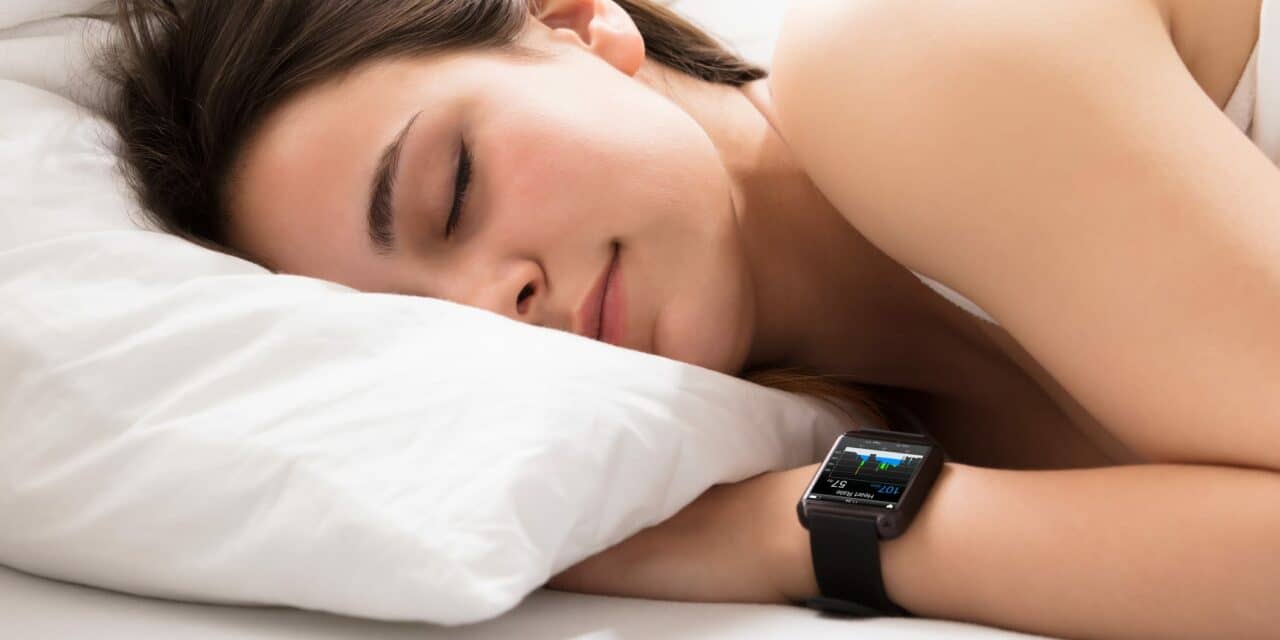
Modern wearables give you more than just a sleep score. They help detect patterns, show sleep stage transitions, and offer recommendations. With consistent use, the best wearable devices for sleep monitoring can help you change habits, improve recovery, and wake up feeling truly rested.
How Wearable Devices Monitor Your Sleep
Sleep Stages Tracked: REM, Light, Deep
Advanced trackers use biometric data like movement, heart rate, and blood oxygen to estimate your time in REM, light, and deep sleep. Each stage has different benefits—from cognitive restoration to physical recovery.
Heart Rate Variability and Movement Sensors
Most premium fitness trackers with sleep tracking features monitor your heart rate variability (HRV) to understand stress and recovery. Motion sensors (actigraphy) detect tossing and turning or when you’re out of bed.
Features to Look For in the Best Sleep Trackers
Accuracy of Sleep Data
Not all sleep data is created equal. Devices like the Oura Ring and WHOOP have been studied for clinical-level accuracy, while others offer basic insights. Look for devices validated against polysomnography when possible.
Comfort and Wearability at Night
A bulky watch might disrupt sleep. Rings or soft bands can be more comfortable for all-night wear. Choose based on your sleep style—side sleepers might prefer minimal wrist wear.
Battery Life and Charging
You don’t want your tracker dying mid-night. Top devices offer multi-day battery life or quick charging to avoid downtime.
App Integration and Health Insights
Apps like Apple Health, Fitbit Premium, and Garmin Connect give you holistic views of your sleep, activity, stress, and even menstrual health. Pick one that integrates well into your existing health tech.
Best Wearable Devices for Sleep Monitoring in 2025
Apple Watch Series 9: Best Sleep Tracking Smartwatch 2025
Apple’s latest Series 9 Watch is no slouch when it comes to sleep. With watchOS 10 and Apple Health integration, it tracks sleep stages, breathing, and heart rate—all while waking you with a silent haptic buzz.
Pros
- Seamless Apple ecosystem integration
- Tracks respiratory rate and temperature changes
- Custom sleep schedules and wind-down reminders
- Gorgeous Retina display and fast charging
Cons
- Battery life just about lasts one night
- Requires daily charging
- Not as detailed as dedicated sleep trackers
Explore more at apple.com
Fitbit Sense 2: Premium Fitness Tracker with Sleep Tracking Features
Fitbit continues its reign with the Sense 2, offering sleep profiles, a daily readiness score, and long-lasting battery life. It’s a fantastic premium fitness tracker with sleep tracking features.
Pros
- 6+ day battery life
- Sleep profile reveals your “Sleep Animal”
- SpO2 and skin temperature sensors
- Integrates with Fitbit Premium insights
Cons
- Some features require a subscription
- Basic design compared to smartwatches
Available on Amazon
Oura Ring Gen 3: Discreet and Top-Rated Wearable Sleep Monitor for Adults
Favored by biohackers and wellness enthusiasts, the Oura Ring Gen 3 offers unmatched sleep accuracy in a compact form. It’s one of the top-rated wearable sleep monitors for adults.
Pros
- Discreet ring design—ideal for sleep
- Tracks readiness, temperature, HRV, and SpO2
- Excellent battery life (up to 7 days)
- Trusted by sleep researchers
Cons
- Requires subscription for full insights
- Limited workout tracking features
Get yours at ouraring.com
Garmin Venu 3: Fitness-Focused Smartwatch with Sleep Monitoring
Garmin Venu 3 combines sport-centric tracking with advanced sleep data. Perfect for runners or fitness lovers who care about their nightly recharge.
Pros
- Tracks naps and sleep stages
- Body Battery score combines sleep + stress + activity
- Great battery life—up to 10 days
- Color AMOLED display
Cons
- Sleep data isn’t as in-depth as Oura or WHOOP
- Slightly bulky for small wrists
Details at garmin.com
WHOOP Strap 4.0: Athlete-Approved Wearable Sleep Tracker
WHOOP Strap isn’t just about sleep—it’s about recovery. Athletes swear by its accuracy and actionable insights into strain, sleep, and recovery.
Pros
- In-depth recovery analytics
- Tracks respiratory rate and skin temperature
- No screen = no distractions
- Waterproof and soft band
Cons
- Subscription-based (mandatory)
- Requires adjustment period to interpret data
Check WHOOP out at whoop.com
Sleep Tracking Accuracy: Wearables vs Sleep Labs
What Do Experts Say About Consumer Sleep Tech?
While nothing matches a full polysomnography in a sleep lab, the best wearable devices for sleep monitoring are surprisingly close. Studies show devices like Oura and WHOOP correlate well with lab results in tracking sleep stages and efficiency.
When to Trust Your Wearable Data
Use wearable data as a trend indicator rather than a precise measurement. If you’re consistently seeing poor sleep scores, that’s your cue to investigate lifestyle changes—or see a sleep specialist.
Buying Guide: How to Choose the Best Wearable for Sleep Monitoring
Define Your Sleep Goals
Want to manage insomnia? Track recovery after workouts? Or just improve overall wellness? Define your goal to choose the right tracker.
Match the Device to Your Lifestyle
Busy professionals may prefer Apple Watch for its versatility, while athletes might lean toward WHOOP or Garmin for performance insights.
Look for Subscription Fees and Ecosystem Lock-in
Many trackers now require monthly fees for advanced metrics. Read the fine print to avoid surprises.
Accessories to Improve Sleep Tracking Accuracy
Sleep Masks with Sensors
High-tech sleep masks like Muse S or SmartSleep integrate EEG sensors to provide accurate brainwave-based sleep tracking.
Pillow and Mattress Sleep Sensors
Options like the Withings Sleep Analyzer or Eight Sleep Pod track heart rate and breathing from under your mattress, offering hands-free tracking.
Frequently Asked Questions on Sleep Wearables – (Best wearable devices for sleep monitoring)
Can wearables diagnose sleep disorders?
No, they can’t officially diagnose sleep apnea or insomnia, but they can show patterns and red flags worth sharing with a doctor.
Which wearable is best for REM sleep tracking?
The Oura Ring and WHOOP are top picks for REM accuracy, validated by independent studies.
Is it safe to wear wearables all night?
Yes. Most emit minimal EMF and use low-power Bluetooth. Choose models certified for safe overnight use.
Do sleep trackers help improve sleep?
Yes—by raising awareness and encouraging better sleep habits. Most users report improved sleep over time.
Are subscription plans worth it?
It depends. WHOOP and Oura offer advanced metrics behind a paywall, but basic insights are often enough for casual users.
Can kids or teens use sleep trackers?
Some devices offer family accounts, but always consult a pediatrician before regular use by children.
Final Thoughts: Which Wearable Is Best for Your Sleep Journey?
When it comes to choosing the best wearable devices for sleep monitoring, there’s no one-size-fits-all. Your goals, budget, and lifestyle should guide your pick. The Apple Watch is perfect for iOS lovers, Fitbit for balanced health insights, and Oura or WHOOP for deep-dive analytics.
So, whether you want basic sleep tracking or athlete-grade recovery scores, there’s a device for every kind of dreamer.
Read Also: Apple Watch Series Review and Features